Home › Concrete Slab Installation
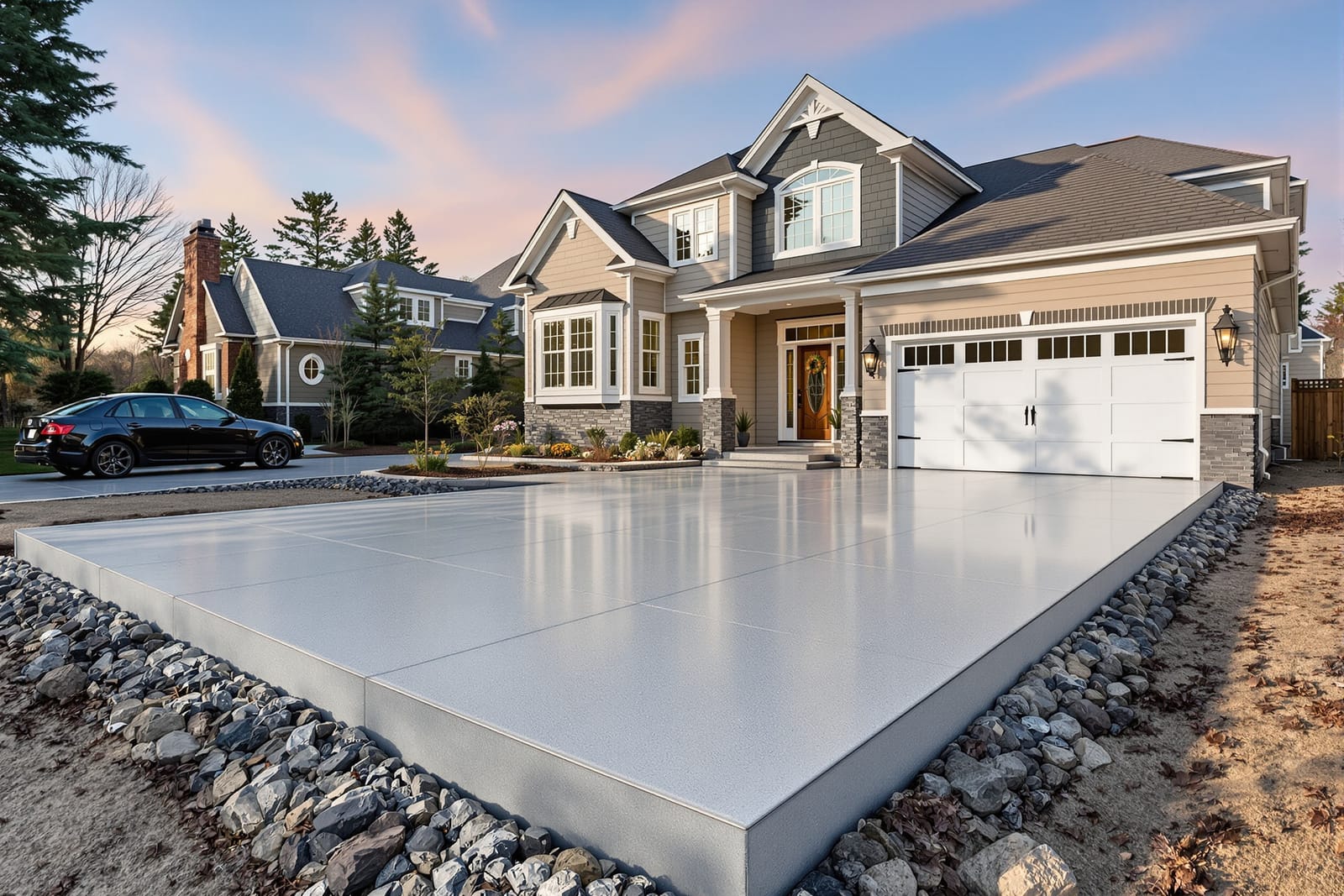
We install level, properly reinforced concrete slabs in Fayetteville, NC for sheds, garages, home additions, and patios. Our team prepares the base, sets forms, and pours concrete to the correct thickness and strength. Whether you need a small shed slab or a large garage floor, we focus on durability and proper drainage. Get a long lasting concrete floor slab ready for your project.
Superior Concrete Fayetteville provides professional concrete slab throughout Fayetteville, NC, North Carolina and the surrounding area. Our licensed, insured crew delivers safe, clean, on-time work with a free estimate before anything begins. Call (910) 387-1298 or request your free quote.
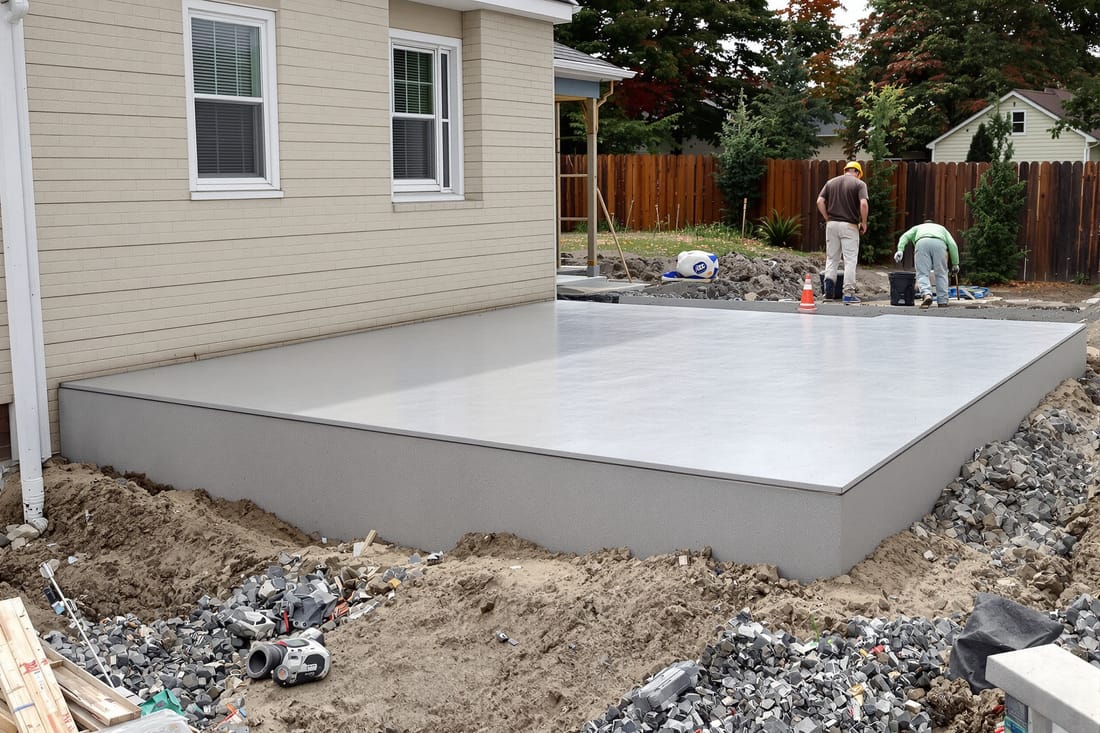
Concrete slab installation for Fayetteville homes and businesses
Concrete slabs are the foundation for many projects in Fayetteville, from backyard patios in Jack Britt to equipment pads near Fort Liberty. At Superior Concrete Fayetteville, we focus on building slabs that handle our clay soils, heavy rain, and humid summers without shifting or cracking before their time.
A concrete slab is more than just a flat surface. Thickness, reinforcement, base prep, and drainage all affect how long it will last. Our team looks at how the slab will be used, whether that means vehicle traffic, a future room addition, or a simple grill pad, and then we design the mix, thickness, and reinforcement for that specific use. We work throughout Fayetteville and Cumberland County, so we know how water moves across local yards, how red clay behaves when it dries and soaks, and what that means for your project.
From the first site visit, we treat your slab as a long term investment. That means careful planning, clear pricing, and honest conversations about what you actually need instead of automatically pushing the thickest or most expensive option.
Our concrete slab installation process in Fayetteville, NC
We start every concrete slab project with an on site assessment. A Superior Concrete Fayetteville estimator walks your property, checks elevations with a level, looks for soft spots or existing drainage issues, and asks how you plan to use the slab. For example, a 10 by 12 shed slab off Ramsey Street will be designed differently than a 30 by 40 RV pad off Raeford Road.
Once you approve the plan and price, we schedule the work around Fayetteville weather patterns. During wetter months we avoid placing slabs on saturated subgrade. Before pouring, we mark utilities, set layout strings, and excavate to the proper depth. We remove organic material, roots, and soft soil so your slab does not settle later.
Next we install and compact the base, typically 4 to 6 inches of crushed stone or dense graded aggregate, using plate compactors or a roller. Proper compaction is essential in our area because clay soils can swell and shrink; the stone layer helps reduce movement. We then set wood or metal forms, check them carefully for level, and add a slight slope on exterior slabs to move water away from your house.
Reinforcement is placed according to the design. For most residential projects we use wire mesh or rebar grids, tied and supported on chairs so they stay in the middle of the slab, not at the bottom. Control joints are planned before we pour, based on slab size and shape.
Finally we place the concrete, screed it level, bull float the surface, and finish it to the texture you choose. Control joints are cut at the right time to control cracking. We cure the slab properly, using curing compound or wet curing methods, and give you clear instructions on when you can walk, place equipment, or park vehicles on it.
Concrete slab options tailored to your project
Superior Concrete Fayetteville can install a wide range of slab types, and we adjust the details so each slab fits its purpose and local site conditions.
Driveways and parking pads: For vehicle traffic in Fayetteville neighborhoods like Westover or King’s Grant, we usually recommend a 4 to 6 inch slab with rebar or mesh, higher strength concrete, and careful joint spacing. On sloping driveways, we pay extra attention to surface texture to reduce slipperiness when it rains.
Patios and outdoor living spaces: Patio slabs often benefit from decorative options like broom finishes, light texture, or an added color. We consider sun exposure, drainage off the patio, and how you plan to furnish the space. If you think you might build a porch roof later, we can add thickened areas or footings now so you are not cutting into the slab in a few years.
Shed and garage slabs: For storage buildings and workshops, we design the slab around the weight of the structure and what you will store. For example, if you plan to keep a boat or heavy tools, we may increase the slab thickness or add reinforcement in specific zones. We can also integrate anchor bolts or sleeves required by the shed or metal building manufacturer.
HVAC and generator pads, trash can pads, and utility slabs: These smaller slabs still need solid bases to avoid settling. We use compacted stone, proper thickness, and level finishing so equipment sits correctly and water does not pond around it.
How Fayetteville’s climate and soils affect your concrete slab
Fayetteville’s weather and ground conditions play a big role in concrete slab performance. Our area sees frequent heavy rainstorms, hot humid summers, and occasional winter freezes. We also have a lot of red clay and pockets of sandy soil, each of which affects how a slab should be built.
Because clay expands when wet and shrinks when dry, we rarely recommend pouring a slab directly on bare clay. Instead, Superior Concrete Fayetteville typically installs and compacts a stone base so the slab rests on a more stable layer. For sandy areas, we focus on compaction and proper edge support so the slab does not ravel or break at the sides.
We also design slabs to handle water. In many Fayetteville yards, water tends to run toward the house or pool. We grade the base so that water flows away from foundations and we add the right slope to the slab, usually about 1/8 to 1/4 inch per foot on exterior surfaces, so puddling is minimized.
Heat affects how quickly concrete sets. In the summer, we often schedule pours for early morning, use appropriate admixtures, and adjust finishing timing to reduce surface cracking. During cold snaps, we watch temperatures closely and may adjust the start time, use warm water mixes, or recommend rescheduling if the overnight lows threaten proper curing.
What drives the cost of a concrete slab in Fayetteville
Homeowners often ask why one slab quote is higher than another. Understanding what drives cost can help you compare estimates fairly.
Size and thickness: Larger slabs and thicker sections require more concrete, stone, and labor. A 20 by 20 driveway extension at 4 inches thick is very different in cost from a 30 by 30 RV pad at 6 inches thick with extra reinforcement.
Site access and preparation: Easy, open access in a flat backyard near Clinton Road will be less expensive than a tight side yard that requires wheelbarrowing concrete. If we encounter soft spots, buried debris, or need to haul out extra soil or old concrete, that adds time and disposal fees.
Reinforcement and base: Proper rebar, wire mesh, and compacted stone base add cost up front, but they significantly reduce the risk of future slab failure. Cheaper quotes sometimes skip or minimize these elements. At Superior Concrete Fayetteville, we spell out exactly what base and reinforcement are included so you know what you are paying for.
Finish type and details: A standard broom finish is more affordable than decorative finishes. Added steps, thicker edges for future walls or posts, evaporative control products, or sealers will also influence the total price.
Permits or engineering: For some larger or structural slabs, the city or county may require permits or engineering. When needed, we help coordinate those items and include the cost in your proposal so there are no surprises.
Common concrete slab problems and how we prevent them
Concrete will naturally crack, but good design and installation control where and how it cracks. Many slab problems we see around Fayetteville come from skipping steps during preparation or rushing the pour.
Random cracking: When control joints are missing, spaced too far apart, or cut too late, cracks show up in unwanted patterns. We plan joint spacing based on slab thickness and shape, then cut them at the correct time so shrinkage occurs in those joints first.
Settling and sinking: Slabs that were poured over soft soil or organic material often settle. We reduce this risk by digging down to firm soil, removing roots and topsoil, and installing a compacted stone base. If groundwater is an issue, we may recommend adding drainage or adjusting the slab location.
Surface scaling or dusting: Placing concrete on a saturated or muddy subgrade, finishing too early, or adding water to the surface can weaken the top layer. Our crews watch the concrete carefully, wait for bleed water to evaporate before finishing, and avoid practices that lead to soft surfaces.
Standing water and poor drainage: A flat or back sloped slab can cause water to collect near your home, crawlspace, or garage. We use laser levels and string lines to confirm slope before we pour and we review drainage with you on site so you understand where water will go.
What to expect when you hire Superior Concrete Fayetteville
From the first call to the final walkthrough, our goal is to deliver a slab that fits your budget and holds up to Fayetteville conditions.
Initial visit and quote: We inspect the area, measure, discuss how you plan to use the slab, and point out any grading, tree root, or drainage issues. You receive a written proposal that lists thickness, base material, reinforcement type, finish, and any optional upgrades.
Scheduling and preparation: After you approve the proposal, we schedule your project and explain what you need to do before we arrive, such as moving vehicles, clearing furniture, or removing personal items. Our crew arrives on time, sets up safely, and protects nearby landscaping as much as possible.
Installation and cleanup: You will see each step, from excavation and base prep to forming, pouring, and finishing. We encourage questions during the job. When we finish, we remove forms, clean up debris, and leave the site as neat as the work allows.
Post install care: We explain curing times, when you can use the slab, and how to maintain it. For exterior slabs, we can recommend sealing schedules to help protect against Fayetteville’s weather and normal wear.
If you are planning a new concrete slab for your home or business in Fayetteville, NC, contact Superior Concrete Fayetteville. We will help you choose the right design, explain your options clearly, and install a slab that is built for this area and your specific needs.